



Feeding wildlife can have serious consequences for the animal
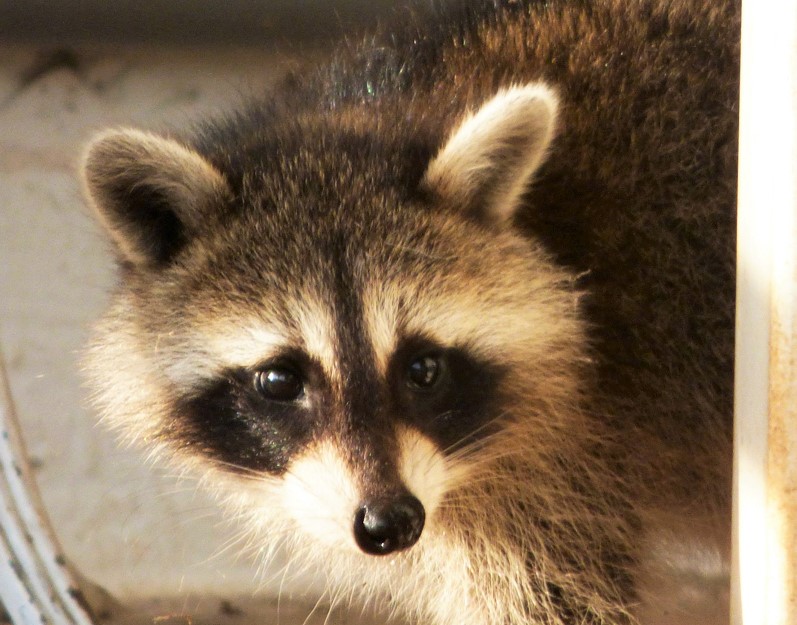
I once had a neighbor who was feeding a raccoon. The raccoon became so friendly that it would come up on their porch to take pieces of bread from her hands. The neighbor thought it was cute until the raccoon had babies and brought her youngsters along for the free handouts. It wasn’t long before the critters began to beg and squabble over the food. Realizing that she had created a monster, she stopped feeding them.
Believing that wild animals need help to get through the winter, many well-intentioned people put out food for them. It’s natural to feel sorry for wild animals especially in the winter when they have to deal with cold and snow, but feeding wild animals, whether in your backyard or in a local park, isn’t a good idea. Here’s why.
Wild animals have very specialized diets. Human foods don’t provide the nutritional requirements they need to maintain their health and stamina and can cause malnutrition and other serious health problems (especially if they are fed “empty” foods like bread, crackers or French fries).
Their natural fear of humans teaches wild animals to avoid humans. Giving them handouts can erode this fear to the point of making them view certain areas as danger-free. Once animals learn they can panhandle for food, they can become a nuisance, or even worse, a safety risk when they become aggressive in their competition for handouts.
Feeding wildlife can alter their natural movements. A dependency on humans for food can result in decreasing the size of their ranges and impact the timing of their natural movements or migration. Migrating ducks and geese, for instance, may “stay over” through the winter if food is made available, decreasing their chances for survival in certain areas.
Feeding animals from or near vehicles is dangerous to animals, people and property. Animals can be hit by moving vehicles. If they become accustomed to people feeding them from vehicles, they may often approach to “beg” for food. Bears, in particular, are a danger when they associate cars with food. Determined bears can do a lot of damage to a vehicle if they smell food inside.
Wild animals gathering for handouts can cause unnatural crowding and competition, increasing the likelihood of fighting and injury among the animals. It can also increase the potential for the spread of disease, through feces, bodily fluids or direct contact, some of which may be transmitted to pets and humans.
The Department of Wildlife Resources (DWR) does not encourage the feeding of wildlife at any time of year. DWR would like to remind readers that the feeding of some wildlife species is actually illegal:
- It is illegal year-round, statewide to feed bears.
- It is illegal statewide to feed deer and elk from Sept. 1 through the first Saturday in January and during any deer or elk hunting season. It is also illegal year-round to feed deer and elk in the following counties and the cities/towns within those counties: Albemarle, Buchanan, Clarke, Culpeper, Dickenson, Fauquier, Frederick, Greene, Loudoun, Louisa, Madison, Orange, Page, Prince William, Rappahannock, Rockingham, Shenandoah, Spotsylvania, Stafford, Warren and Wise.
- It is illegal to feed any wild animal when the feeding results in property damage, endangers people or wildlife or creates a public health concern
The bottom line is that, however well intentioned, you’re not doing wild animals any favors when you reduce their fear of humans and create a dependency on people for food. For more information on how to create quality wildlife habitat on your property that will provide natural foods along with adequate cover for numerous species, visit www.dwr.virginia.gov/wildlife/habitat/.
— Jo Ann Abell, Virginia DWR


