
Advertisement
  • National News
  • State News
  • Contact Us
  • Subscribe
  • My Account
Subscribe For $2.50/month
Print Editions
News Journal
  • News
    • Local
    • Sports
    • School
    • Courthouse
      • Deeds
  • Obituaries
  • Opinion
  • Spiritual
    • Parabola
    • Transcendental Meditation
    • The Episcopal Diocese of Virginia
    • Southern Baptist
  • eJournal
  • Legals
  • Classifieds
  • Contact Us
  • My Account
  • Login
  • FAQ
No Result
View All Result
News Journal
No Result
View All Result
News Journal
No Result
View All Result

Daylight saving can create driver fatigue and hazards on the road, says expert

Mountain Media, LLC by Mountain Media, LLC
November 6, 2023
in Local Stories, Local Stories
0
0
SHARES
0
VIEWS
Share on FacebookShare on Twitter
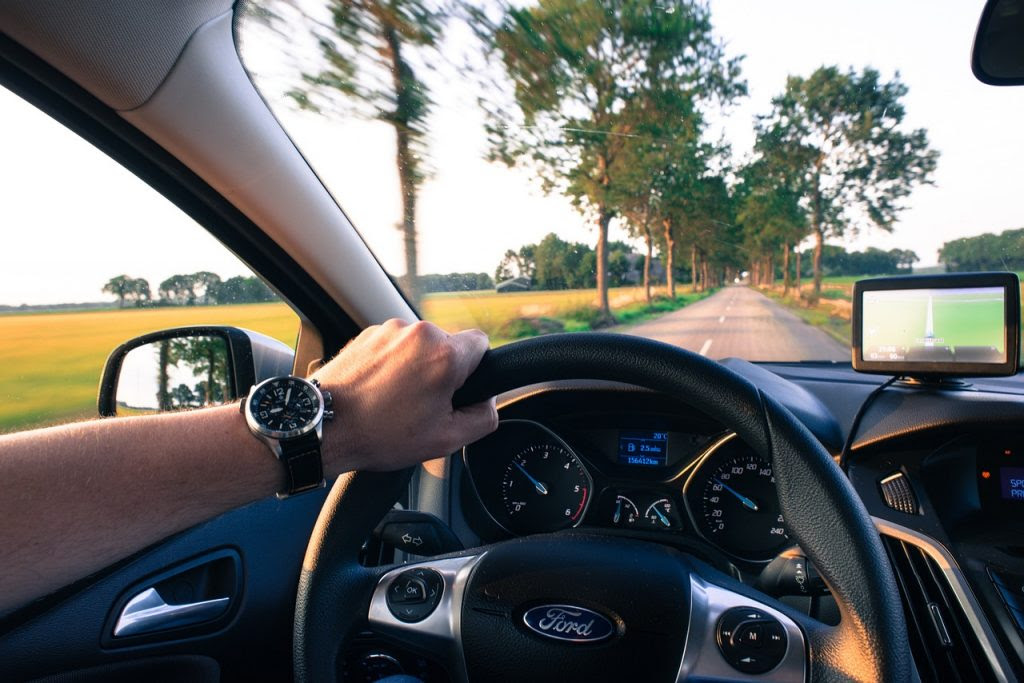
Photo courtesy Pixabay via Virginia Tech

As clocks “fall back” and daylight-saving time ends, many Americans will be driving longer at night which could translate to more driver fatigue and hazards on the road, says Virginia Tech Transportation Institute expert Matt Camden.  

Camden says that any time change can exacerbate drowsiness and your body may need a few days to adjust accordingly. He offers the following advice for drivers to avoid fatigue.

  1. Avoid driving during rush hour and from 2-4 a.m.

Crash risk increases during rush hours and from 2-4 a.m. Driving between 2-4 a.m. is particularly dangerous because a person’s circadian rhythm is at its lowest during this timeframe. And when a driver is already sleep-deprived, the desire to sleep during the circadian low is even greater.

  1. Get a full night’s sleep.

Drivers should try to sleep at least seven to eight hours in order to avoid drowsiness. However, one night’s rest may not be enough for someone who has experienced several sleepless nights. In those cases, the driver will need several days of restful sleep to compensate for the sleep debt.

  1. Pay attention to signs of drowsy driving.

Signs of drowsy driving include slow eyelid closures, yawning, gentle swaying of the head, seat fidgeting, difficulty staying in your lane, difficulty maintaining speed, and delayed reactions.

  1. Be aware of other factors impacting drowsy driving.

Situations that increase drowsiness are driving alone, monotonous road conditions, such as long straightaways with limited changes in the environment), long drives, and extended periods of heavy traffic.

Shannon Andrea for Virginia Tech

Sign up to our newsletters

Enter your email address to join our newsletters.

You will receive a confirmation email for your subscription. Please check your inbox and spam folder to complete the confirmation process.
Some fields are missing or incorrect!
Lists
Previous Post

New generation learning to play “the people’s instrument” thanks to The Blues Initiative

Next Post

Christiansburg advances to region finals

Next Post
Christiansburg advances to region finals

Christiansburg advances to region finals

Leave a Reply Cancel reply

Your email address will not be published. Required fields are marked *

News Journal

Navigate Site

  • News
  • Obituaries
  • Opinion
  • Spiritual
  • eJournal
  • Legals
  • Classifieds
  • Contact Us
  • My Account
  • Login
  • FAQ

Follow Us

  • Login
Forgot Password?
Lost your password? Please enter your username or email address. You will receive a link to create a new password via email.
body::-webkit-scrollbar { width: 7px; } body::-webkit-scrollbar-track { border-radius: 10px; background: #f0f0f0; } body::-webkit-scrollbar-thumb { border-radius: 50px; background: #dfdbdb }
No Result
View All Result
  • News
    • Local
    • Sports
    • School
    • Courthouse
      • Deeds
  • Obituaries
  • Opinion
  • Spiritual
    • Parabola
    • Transcendental Meditation
    • The Episcopal Diocese of Virginia
    • Southern Baptist
  • eJournal
  • Legals
  • Classifieds
  • Contact Us
  • My Account
  • Login
  • FAQ